


Beyond The Scent
- Home
- Fragrances
- Beyond The Scent
Our quest for innovation prompts us to explore new extraction methods, discover new ingredients, and use cutting-edge technologies, such as artificial intelligence, to refine our creations.
AREAS OF APPLICATION AND FRAGRANCE INNOVATION
Our global logistical advantage is speed, reach and reliability, setting us apart in the industry.
Fine Fragrances


Creativity with constraints-
- Base medium compatibility (ethanol, water-based mist bases, oils, alcohol-free systems)
- Performance targets (impact, diffusion/sillage, longevity, “bloom,” drydown clarity)
- Safety & compliance (IFRA Standards and relevant local regulations)
- Stability (clarity, color shift, precipitation, oxidation, temperature cycling)
- Sustainability profile (ingredient sourcing, circularity/upcycling, LCA goals, green chemistry)
- Consumer intent & market aesthetics (mass appeal vs. niche signature, regional preferences, trend direction)
Key fine fragrances application
Our global logistical advantage is speed, reach and reliability, setting us apart in the industry.
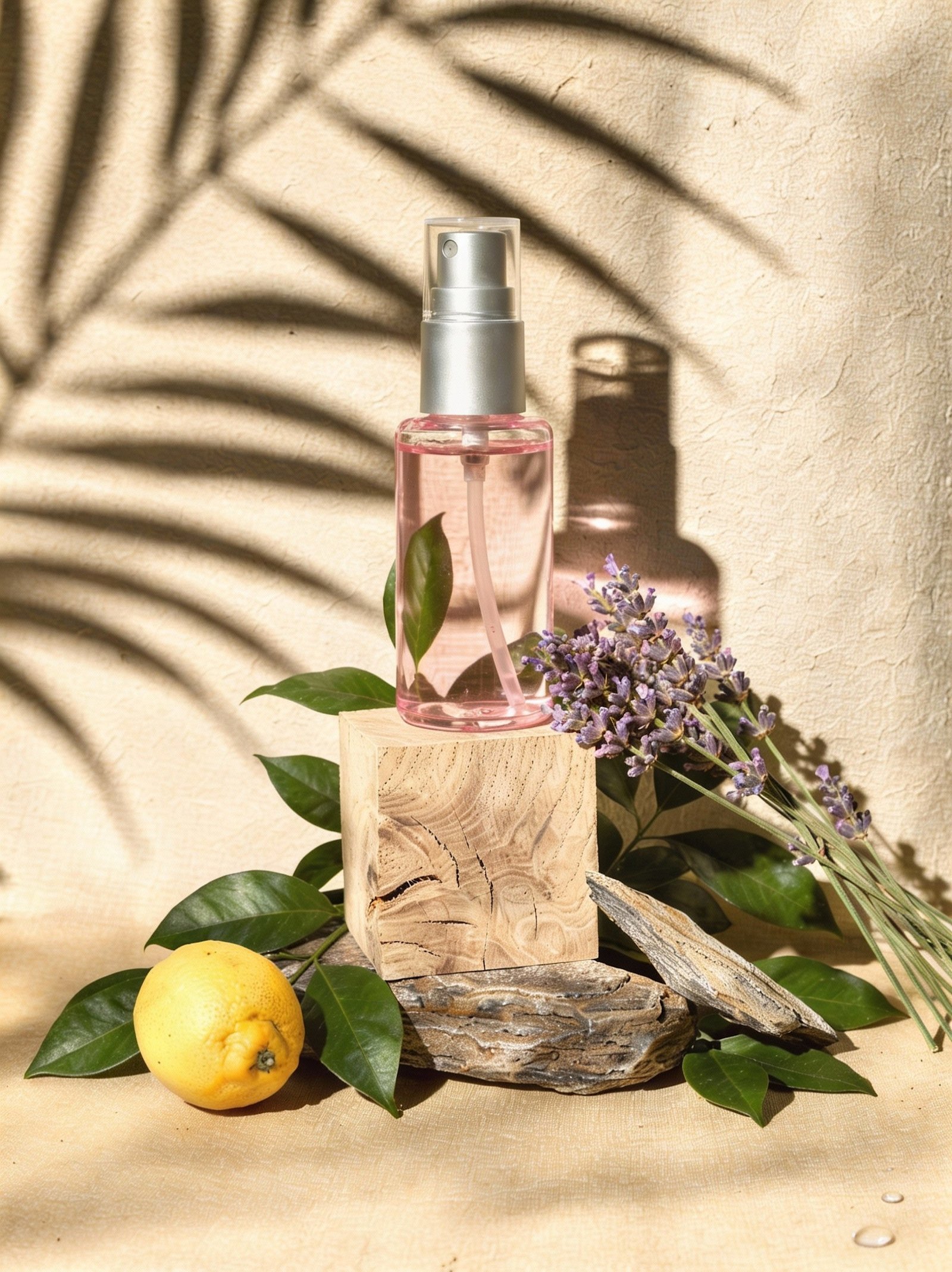
Body Mists: “Airy, addictive, and technical”
- Top-note architecture for immediate lift: bright citrus, sheer fruits, watery florals, sparkling musks—built to “pop” quickly.
- Substantivity without heaviness: the mist should linger, but not feel like a perfume overdose. Fixation is achieved by careful use of soft woods/musks/ambery nuances and (when appropriate) delivery tech that extends perception. Encapsulation and related delivery systems are widely positioned as tools to improve longevity and keep a fragrance “lively” over time.
- Solubility & clarity: mists often demand extra attention to solubilizers and raw material selection to avoid haze or separation.
- Color and oxidation control: mist packs are frequently clear bottles; oxidation, discoloration, or off-notes become obvious fast.
- Skin comfort perception: “fresh” must also feel “clean”—no harsh edges, no solventy effect, no cloying drydown.
- Regulatory & allergen strategy: because mists are frequently reapplied, safety margins and IFRA conformance matter.

Prestige Perfumes: Parfum / EDP / EDT
- Evaporation curve: higher concentration typically slows evaporation and changes the balance of top/heart/base over time.
- Diffusion vs. depth trade-off: EDT often needs more radiance and lift; Parfum may emphasize texture and lasting power.
- Solvent system & feel: ethanol strength, co-solvents, and modifiers affect bloom, smoothness, and perceived quality.
- Maceration/aging behavior: fine fragrances are often evaluated after aging to ensure the scent “rounds out” rather than frays.
- Signature accord integrity: the recognizable identity must survive concentration changes without becoming thin (EDT) or muddy (Parfum).
- Sillage design: how the fragrance projects in the first 30 minutes vs. the final 6+ hours.
- Ingredient palette strategy: modern houses emphasize broad palettes spanning naturals, biotech-derived materials, and safe synthetic molecules.
- Sustainable formulation pathways: upcycled ingredients and circular approaches are increasingly positioned as premium-compatible, not “lesser.”
Niche Compositions: originality, texture, and “materials storytelling”
- Novelty without chaos: unusual contrasts, bold overdoses, and unexpected pairings—but still wearable.
- Materiality & narrative: spotlighting specific naturals, exclusive ingredient styles, terroir-like sourcing stories, or innovative extraction.
- Long-form drydown: niche consumers often care most about the 2–10 hour experience (texture, evolution, trails).
- Restraint in sweetness and “generic” signals: avoiding overused fruity-musky tropes unless subverted intentionally.
- Regional and cultural formats: niche isn’t only alcohol spray; it includes perfume oils and alcohol-free formats. Some manufacturers explicitly reference Middle Eastern formats like attar, bakhoor, incense, perfume oils, and alcohol-free perfumes as dedicated fine fragrance terrains.

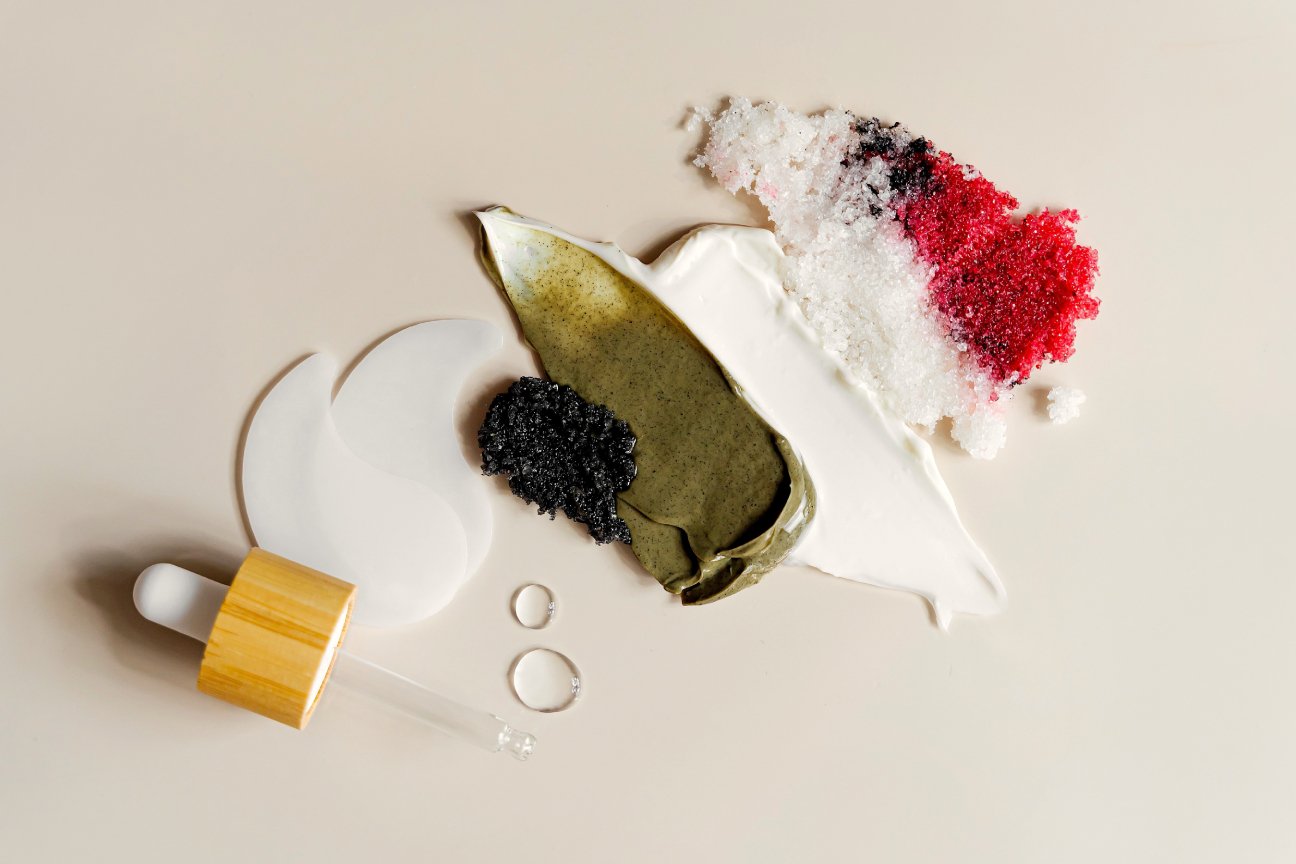
Personal Care
Creativity with constraints
- Base compatibility (surfactant systems, emulsions, waxes, powders, hydroalcoholic sprays)
- Process tolerance (hot/cold processing, shear mixing, filling conditions)
- Stability (pH, oxidation, discoloration, cloudiness, separation, plastic interaction)
- Performance in use (lather bloom, rinse behavior, on-skin longevity, clean after-feel)
- Malodor management (especially in deodorants and some hair/scalp products)
- Compliance with global fragrance safety standards (IFRA) and regional regulations

Key personal care segments and what drives the scent design
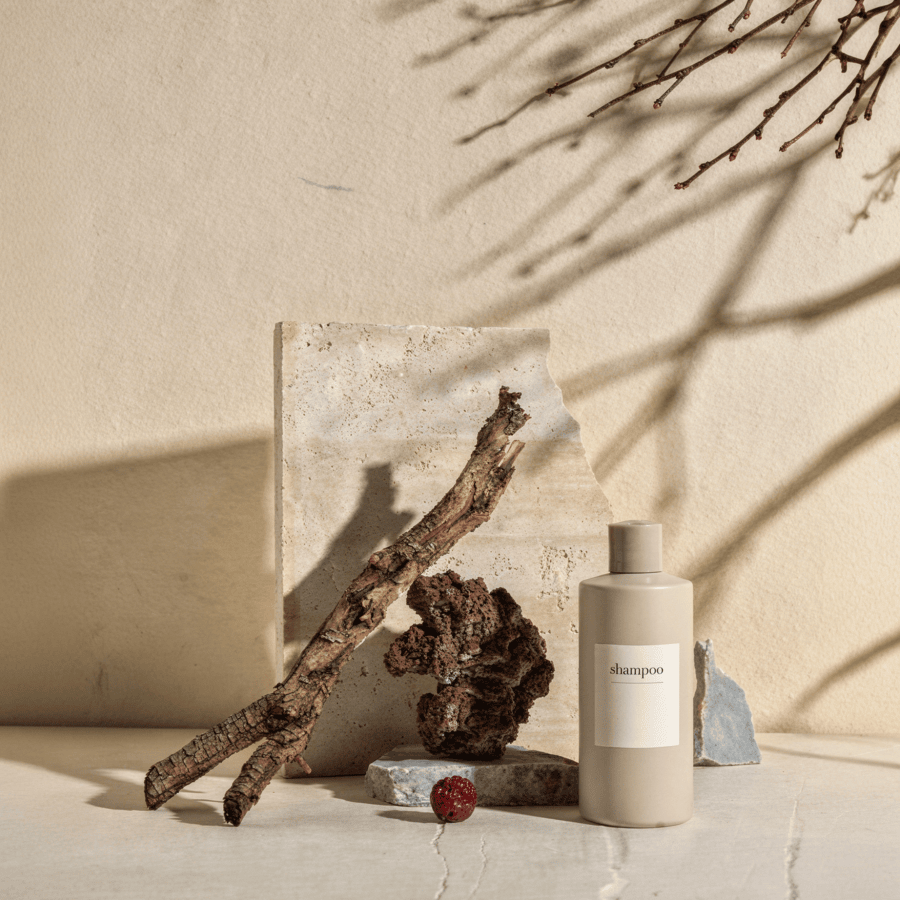
Hair care: shampoo, conditioner, treatments
- Lather bloom: top/heart materials that release strongly in foam and warm water.
- Wet-to-dry transition: the scent should stay coherent from rinse to dry hair (no “flat” drydown).
- Deposition & substantivity: selecting materials that lightly cling to hair fibers without feeling heavy or greasy.
- Base interactions: surfactants can “eat” certain notes; conditioners can trap and slowly release others.
- Scalp sensitivity positioning: when a brand targets sensitive scalps, the allergen strategy and material selection become part of the creative brief (within IFRA limits).

Bath & shower: shower gels, liquid/solid soaps
- Immediate sensorial lift: bright, clean accords that read clearly through steam and foam.
- Rinse profile: avoiding harsh edges that feel “perfumey” after rinsing; aiming for clean comfort.
- Stability in surfactants: preventing cloudiness, separation, or off-notes over shelf life.
- Scent trail after shower: a soft skin scent that supports layering with lotion or body spray.
Skin care & body care: lotions, creams, butters, oils
- Emulsion compatibility: preventing scent drift, discoloration, or instability.
- Warm-skin evolution: lotions develop as skin warms; the drydown matters more than the opening.
- Perceived skin benefit cues: “comfort,” “softness,” “clean,” “cocooning”—the fragrance should reinforce product claims without being literal.

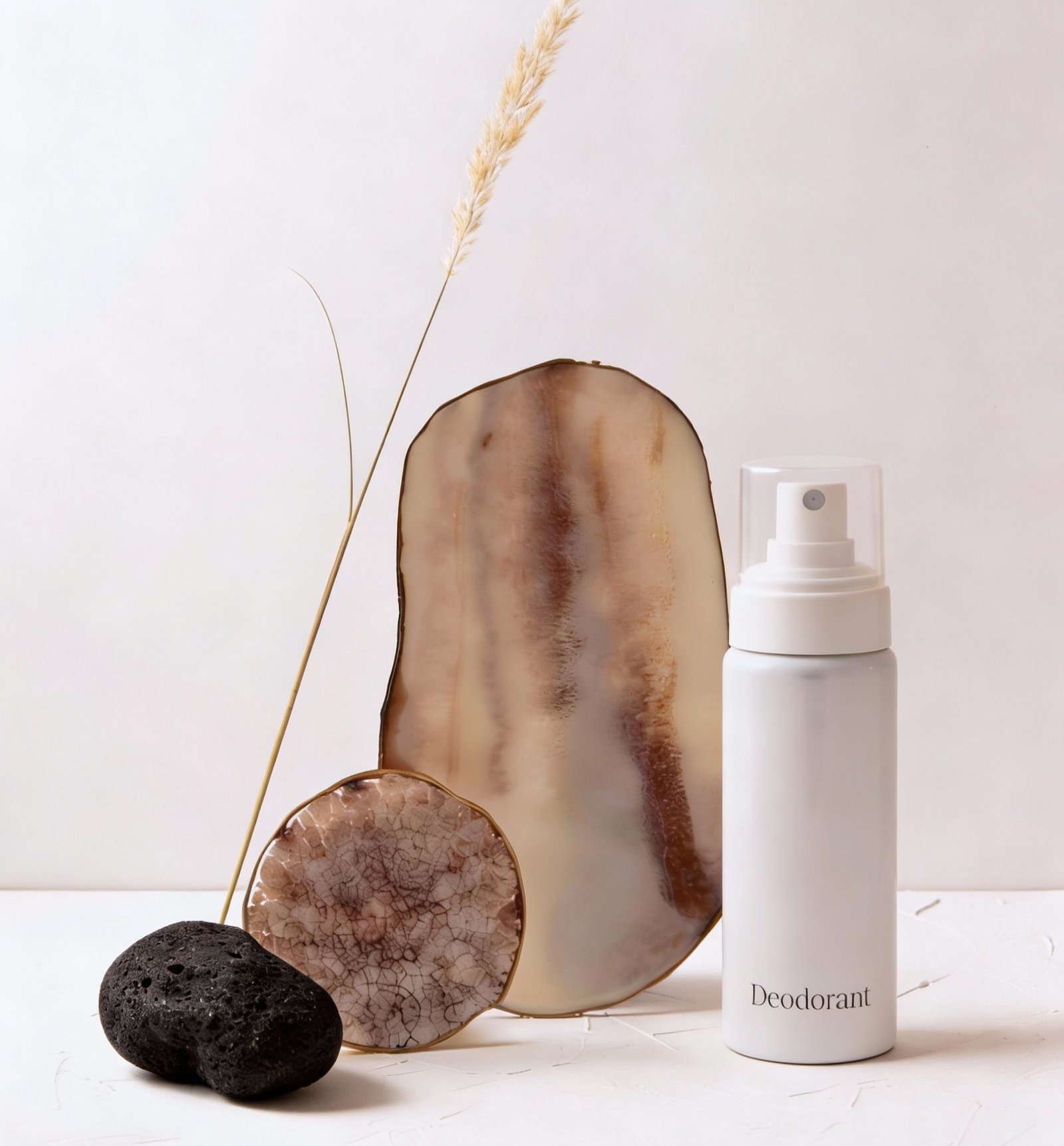
Deodorants & antiperspirants: sticks, sprays, roll-ons
- Malodor strategy: composing to complement the product’s functional system and keep a “clean” profile over time.
- High-impact freshness: strong clarity at low dosage, without harshness.
- Format-specific constraints: aerosols, roll-ons, sticks each behave differently in diffusion and residue.
- Compliance & sensitization management: deodorant is a leave-on category, so IFRA limits and allergen planning are central.
Home Care Fragrances
Etosha Global develops home care fragrances that shape the experience of clean living—from fresh laundry and spotless surfaces to inviting air and comfortable spaces. Each fragrance is engineered for its specific application environment, balancing performance, stability, safety, and emotional impact. By combining technical rigor with creative intent, Etosha Global ensures that every home care scent not only smells right, but feels right in daily life.
Home Care Fragrances
At Etosha Global, home care fragrance creation is approached as environmental perfumery: designing scents that shape how a space feels, not just how a product smells.
Our key considerations –
- Malodor strategy: composing to complement the product’s functional system and keep a “clean” profile over time.
- High-impact freshness: strong clarity at low dosage, without harshness.
- Format-specific constraints: aerosols, roll-ons, sticks each behave differently in diffusion and residue.
- Compliance & sensitization management: deodorant is a leave-on category, so IFRA limits and allergen planning are central.

Key home care segments and how scent design changes
Etosha Global develops home care fragrances that shape the experience of clean living—from fresh laundry and spotless surfaces to inviting air and comfortable spaces. Each fragrance is engineered for its specific application environment, balancing performance, stability, safety, and emotional impact. By combining technical rigor with creative intent, Etosha Global ensures that every home care scent not only smells right, but feels right in daily life.

Fabric care: detergents, conditioners, sprays
- Wash-phase survival: many top notes are destroyed by surfactants and heat; the structure must anticipate this loss.
- Deposition on fabric: selecting materials that lightly anchor to fibers without staining or heaviness.
- Drydown clarity: what the consumer smells on dry fabric days later matters more than the bottle sniff.
- Controlled intensity: long-lasting freshness without overwhelming small spaces or causing fatigue.
- Fabric-type behavior: cotton, synthetics, blends all hold and release scent differently.
Surface & floor cleaners: liquids, sprays, concentrates
- Immediate freshness cue: citrus, herbal, pine, aldehydic, or “air-clean” accords that read as effective within seconds.
- Chemical robustness: resistance to pH extremes, solvents, and oxidizing systems.
- Rapid air diffusion: especially for sprays—no dull or flat opening.
- No lingering heaviness: the fragrance should reassure, not perfume the room.
- Cross-surface neutrality: scent should feel appropriate on tiles, wood, metal, and stone alike.

Air care: sprays, diffusers, candles, continuous systems
- Diffusion control: how the scent fills space without collapsing or becoming sharp.
- Temporal design: instant impact vs. slow, continuous release (sprays vs. diffusers).
- Room-size adaptability: a bathroom and a living room demand different intensity curves.
- Heat or solvent interaction: candles and diffusers alter evaporation and perception.
- Signature creation: air care often carries more expressive, fine-fragrance-like accords.
Dish & kitchen care: dishwash liquids, machine products
- Grease-cutting association: citrus, green, aromatic profiles that signal degreasing power.
- Food safety perception: nothing that feels edible, sweet, or cloying.
- Water interaction: strong performance in foam and rinse phases.
- No flavor transfer anxiety: scent must reassure that dishes are clean, neutral, and safe.


Toilet & hygiene products: rim blocks, gels, sprays
- Malodor masking vs. neutralization perception: keeping a “fresh” profile even in difficult environments.
- Humidity resilience: bathrooms amplify sweetness and heaviness.
- Long-term exposure: continuous products require fatigue-resistant profiles.
- Clear hygiene signaling: marine, aromatic, pine, eucalyptus, and ozone-type notes are common for a reason—they communicate cleanliness fast.